Fantasy Cricket Tournaments Predictions Fantasy Tips Teams Players Tools How to play Scoring guide Contest types Download app Sign in
18+ Fantasy sport involves financial risk. Play responsibly. We verify every brand claim before you stake a rupee. India
Home › Tournaments
Tournament coverage

The tournament cycles our desk is actually following this season.

Three tournament cycles mapped end-to-end: schedule, conditions, format, squad pressure points and rotation patterns. A working guide for fantasy readers who care about workload, surface variety and the swing points that decide each cycle.

8 cycles tracked Updated 14 Jul 2026 By the Fantasy Cricket Picks desk
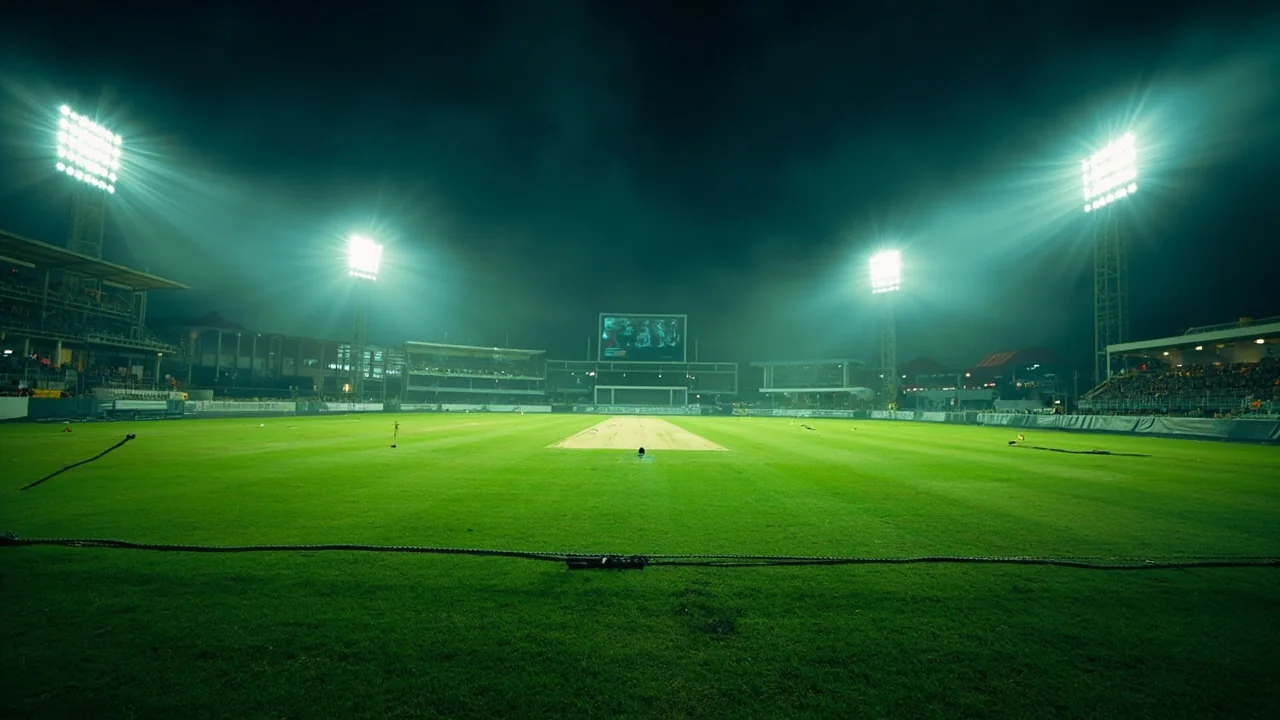
An empty Indian cricket stadium prepared for a tournament night
Cycle A

Domestic T20 league — eight-city, 38-day cycle.

The fastest cycle in our coverage. Eight cities, ten teams, two daily fixtures. Surface variety is the headline. We track which cities play slow, which play true and which reward pace at the death.

Cities 1-3

Slow turners

Spinners win the middle overs. Captaincy leans to top-order batters who play spin, not power-hitters.

Cities 4-6

Balanced surfaces

The default build works here. Stack two pace, two spin, one all-rounder. Captain by surface.

Cities 7-8

Batting paradise

High-scoring cycle. Death-over specialists win. Pace all-rounders with yorker precision gain points.

Cycle B

International ODI series — three-format workload.

Three-format cycles break workloads in half. Pick the rotation edge before the rest of the field does. Workload management is a published read on every team sheet — the field just doesn't update their XI fast enough.

The most underrated read in any multi-format series is workload distribution. A player rested for the T20 phase is often the highest-credit pick for the ODI phase. The fantasy desk that watches the pressers beats the desk that watches the points table.

  • Rest-risk flag for any player who played the previous format.
  • Quota edge when a specialist is rotated back into a side that lost the previous match.
  • Captaincy swap when the ODI surface differs from the T20 surface.

Cricket players rotating through outdoor practice nets before a tournament
Net sessions are where rotation risk becomes visible — watch the split squads.
Cycle C

Test championship — fixture congestion and rotation.

Long cycles demand rotation picks. We flag the workloads the rest of the field underrates. Test cycles also reward bowlers with stamina — pace all-rounders tend to lose their quota by day three.

A tired professional cricket player stretching beside kit bags in a quiet stadium corridor
Fixture planning

Build a personal fixture calendar before the cycle starts.

The single highest-leverage habit for any fantasy reader is a personal fixture calendar. Plot each tournament cycle, mark the surface-change days, flag the rest-risk matches. Then plan your captaincy swaps around the calendar, not around the team sheet.

  1. Plot every fixture in the cycle.
  2. Mark the surface-change days (where the cycle moves cities).
  3. Flag the rest-risk matches (multi-format swaps).
  4. Plan three captaincy swaps per cycle, in advance.
  5. Re-budget credits after each swap.
An analyst arranging color-coded fixture cards on a dark table beside a stopwatch and cricket ball
Fixture planning is a desk habit, not a hunch.
Tournament playbook

Five reads we use for every cycle.

Same five reads, applied to every tournament cycle in our coverage. The reads don't change; the data does.

Surface variety

Map each cycle's surface profile by city. Identify the swing points where captaincy rotates by surface.

Workload risk

Track every player's recent format workload. Flag rest-risk for any player on a multi-format cycle.

Role stability

Confirm the role slots per team across the cycle. Locked roles win; floating roles lose points.

Squad pressure

Identify squads with depth pressure — teams where rotation is forced by selection competition.

Captaincy calendar

Pre-plan your captaincy swaps around the surface-change days and the rest-risk matches.

Tournament FAQ

What readers ask before a cycle starts.

How do you decide which cycles to follow?

We follow cycles where Indian fantasy readers have a real XI-building angle: domestic T20 with surface variety, multi-format international series, and Test championships with workload rotation. We skip cycles that are too short to plan for.

Do you publish a tournament calendar?

Yes — the personal fixture calendar is the first read in our coverage. We publish it for each cycle as soon as fixtures are confirmed.

How do you handle mid-cycle squad changes?

We update the squad pages within 24 hours of any official squad announcement. Role-security reads get re-verified for every new entrant.

Which cycle is the best for new readers?

Domestic T20 with a small guaranteed-pool contest. Surface variety gives you a real read; small pools keep your variance low.

Pick the cycle you're reading next.

Three cycles in our desk this season. Choose the one that fits your contest calendar.

Tonight's predictions
Tonight's match is live. Lock your XI. Build my XI
Play now