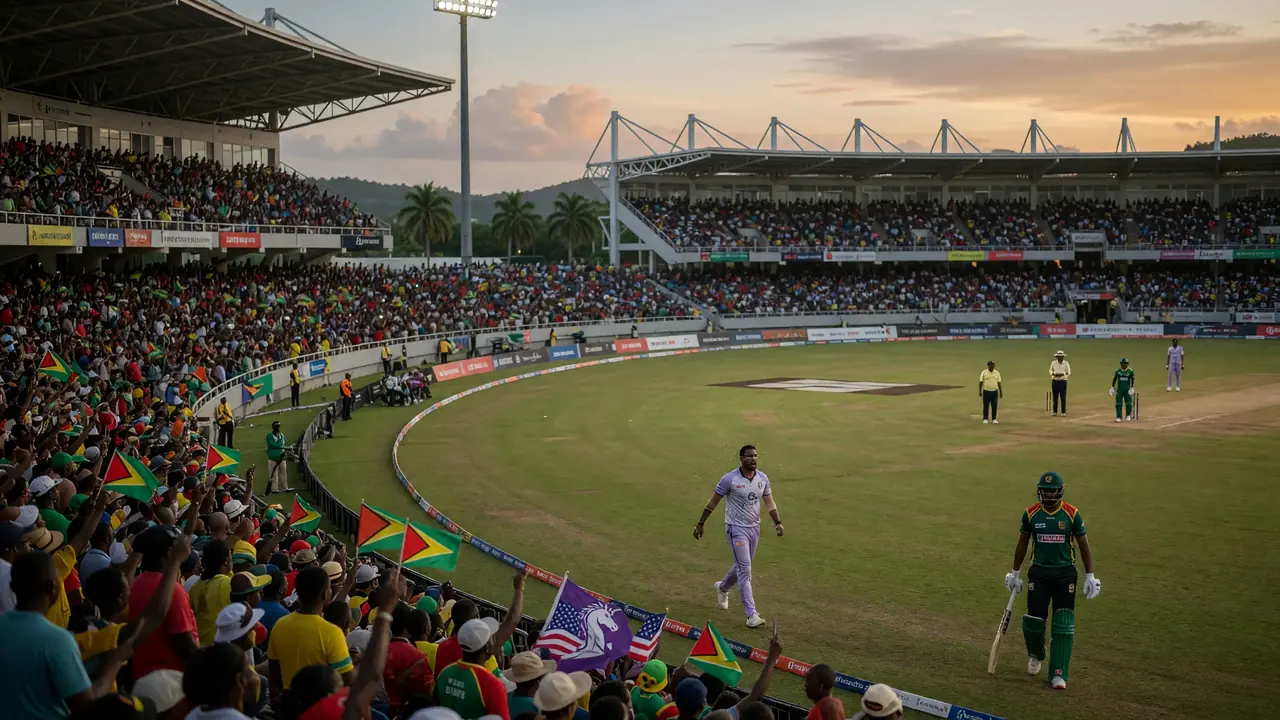
Imran Tahir's Guyana Amazon Warriors host Hassan Khan's San Francisco Unicorns in the Global Super League 2026 final at Providence Stadium. Saturday's start is 7:00 PM local / 4:30 AM IST. Below: surface numbers, form lines, role-mapped XIs, captaincy ledger and the desk's match lean.
Amazon Warriors are defending champions and will try to keep the GSL title on home soil. San Francisco Unicorns booked the final with an eight-wicket qualifier win against Desert Vipers. That path matters for fantasy because it sets two different pressures. One side already knows how to close a final; the other arrives with fresh knockout momentum and a top order that has already hunted a chase under pressure once this week.
Amazon Warriors closed the league phase with a 14-run reverse against Perth Scorchers XI, yet still sit on three wins from four. San Francisco Unicorns are three from their last five. Neither campaign is perfect, which helps contest builders — form is strong enough to trust the anchors, not strong enough to freeze the entire XI around one narrative.
Imran Tahir leads a side built around local knowledge, middle-order power and spin control. The desk treats home advantage as a real selection weight, not a slogan, because Providence has slowed and the Warriors' spin options map cleanly to that read.
Hassan Khan's side arrives via an eight-wicket qualifier win over Desert Vipers. The Unicorns' top order is the engine of that confidence, and Tim Robinson's tournament lead makes him the first name the desk writes when building a San Francisco-heavy slate.
Early GSL nights at Providence played as even contests. Later fixtures have dragged the same strip into a slower gear, and that late-tournament change is now the main fantasy input. Slow-ball overs should decide more than the new ball alone, which means Motie, Tahir, Stow and other control options climb the ledger before pure pace depth does.
Scoring data backs the same shift. First-innings averages sit near 154 for the full event, yet the most recent five games have settled around 134.4. Second-innings sides have taken six of the eleven completed matches. Captains who win the toss are expected to put the other side in. Roughly 165 remains the first-innings mark most previews treat as a strong defendable total. Those four figures set the captaincy logic: compressed recent scoring lifts bowling value, the chase lean keeps second-innings batters live, and only a clear path past 165 fully justifies a heavy first-innings batting stack.
Once a previously even track dries and grips later in a short event, middle-over control becomes the cleanest points lane. Motie for Amazon Warriors and Stow for the Unicorns sit in that lane before any batting-side bias is applied.
The gap between tournament average and the last-five average is the desk's caution flag. Recent scoring has compressed, so inflated batting stacks need a clear role reason, not just a famous name.
Second-innings sides hold the edge so far. That does not force an all-chase captaincy slate, but it does keep chase openers and finishers in the main build instead of treating them as pure differentials.
If the coin falls that way and the winner bowls, the desk's first pass keeps one extra bowling route in small leagues and still protects a second-innings batter for the chase ceiling.
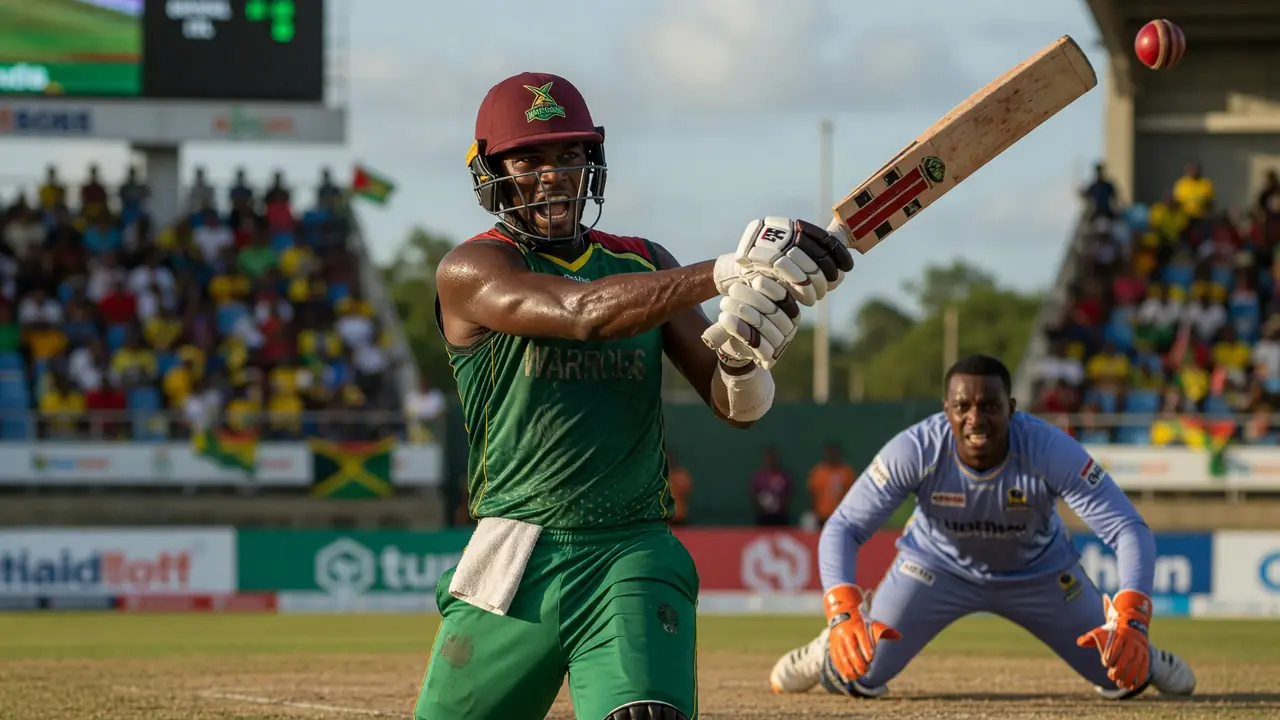
Amazon Warriors arrive with a clean two-engine fantasy pair. Across four matches, Gurbaz has 169 runs, averages 42.25 and strikes at 194.25 — the intent pick if the home top order holds shape. Motie has seven wickets from the same four games, averages 15.00 and concedes 7.00 an over, which maps directly onto a slower Providence strip. One name covers batting ceiling; the other covers surface-matched bowling floor.
San Francisco Unicorns counter with the event's busiest bat and a proven wicket-taker. Robinson tops the GSL charts on 197 runs from five matches, averages 49.25 and strikes at 137.76. Stow has six wickets in five, averages 23.00, concedes 7.45 and already owns a 4/25 best. Use Robinson for batting volume and Stow when you need a bowling differential with a documented four-wicket spike.
Amazon Warriors still need a cleaner top-order start after the Perth Scorchers XI reverse. Their middle order remains a major strength, which is why Shimron Hetmyer, Rovman Powell and the all-rounder layer stay locked into core builds even when the openers wobble. San Francisco's path is simpler: if the top order fires again the way it did in the qualifier, the Unicorns can drag the contest deep enough for Stow and the death options to stay relevant.
A 169-run campaign at that strike rate is a small-league captain candidate on any surface that still rewards intent. On a slowing deck the risk is early spin, so the desk pairs him with a spin safety net rather than stacking pure power around him.
Seven wickets, four matches, 7.00 economy. On a Providence surface now helping spinners, Motie is not a luxury pick. He is the home-side bowling anchor and a live vice-captain in spin-first builds.
197 runs, five matches, 49.25 average — the cleanest batting volume line in the event. If the Unicorns bat second, Robinson becomes the highest-leverage chase pick on the board.
Six wickets and a four-for already banked. Stow is the Unicorns' clearest bowling upside, especially if Amazon Warriors are forced into a compressed total on a slower night.
Before captaincy, the desk freezes the expected sides by role rather than as a single colon list. That framing keeps salary decisions tied to function: who opens, who keeps, who finishes, and who owns the slow overs on a grip-friendly night.
Opening intent sits with Rahmanullah Gurbaz and Quentin Sampson. Mohammad Haris keeps wicket. Shimron Hetmyer and Rovman Powell own the middle overs with Mohammad Nabi bridging bat and spin. Gudakesh Motie pairs with captain Imran Tahir for the slow-ball overs. Romario Shepherd, Dwaine Pretorius and Matthew Forde cover seam and lower-order hitting. The structure is built for a home final on a slowing track.
Tim Robinson and keeper Connor Esterhuizen set the top. Captain Hassan Khan sits in the engine room. Oliver Peake, Hammad Azam and Sanjay Krishnamurthi fill the middle. Fabian Allen and Anirudh Immanuel add all-round depth. Callum Stow, Karima Gore and Peter Siddle close the bowling. The structure is chase-capable and less dependent on one home-surface specialist.
| Role band | Amazon Warriors | San Francisco Unicorns |
|---|---|---|
| Top order / keep | Gurbaz, Sampson, Haris (wk) | Robinson, Esterhuizen (wk) |
| Middle / finish | Hetmyer, Powell, Nabi | Hassan Khan (c), Peake, Azam, Krishnamurthi |
| All-round / spin | Motie, Tahir (c) | Allen, Immanuel, Stow |
| Seam / death | Shepherd, Pretorius, Forde | Gore, Siddle |
Fantasy builds that ignore the all-rounder density will either bust the salary cap or leave bowling points on the table. Amazon Warriors lean on Motie-Tahir spin plus Shepherd-Pretorius finishing power. San Francisco Unicorns lean on Robinson's top-order volume, Hassan Khan's dual role, Allen's left-arm insurance and Siddle's veteran seam control.
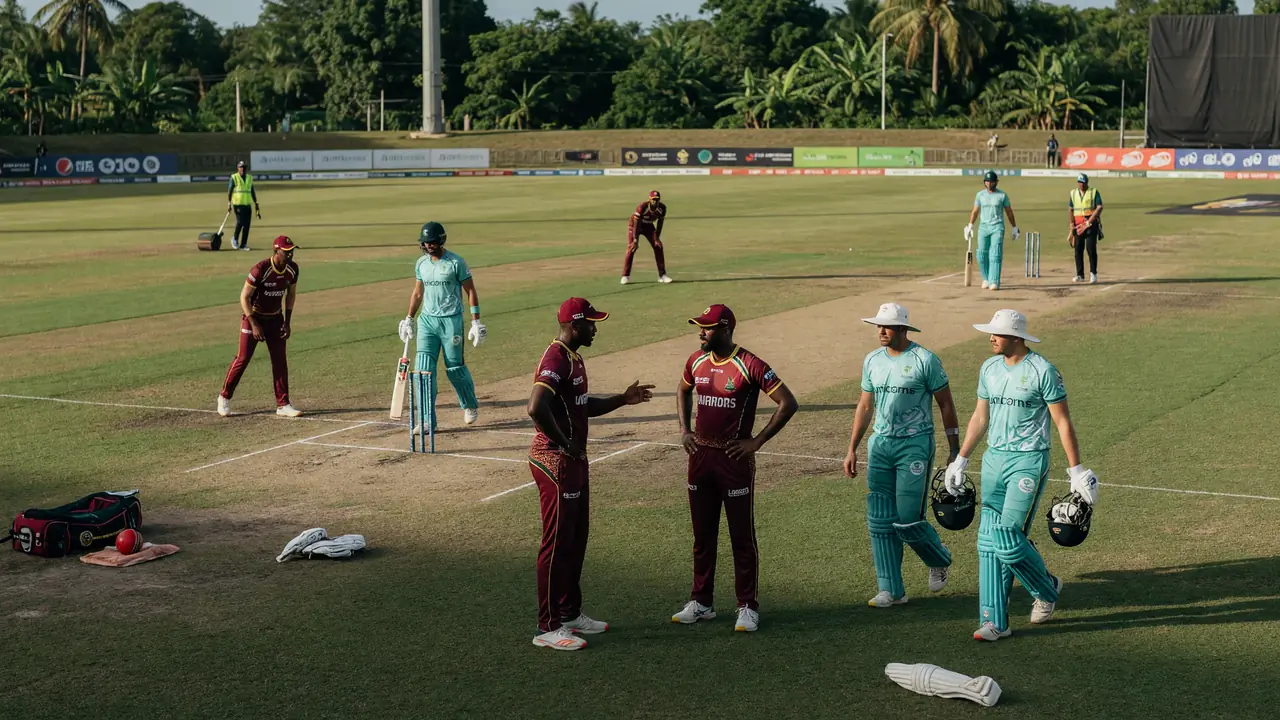
When these sides met earlier, Amazon Warriors closed out a three-wicket DLS win. That result does not automatically pick tonight's winner, and shortened finishes are never a pure template for a full final. It does, however, remove the idea that the Unicorns hold a psychological edge. For fantasy, the practical takeaway is simpler: Amazon Warriors have already found a way past this bowling group once, so home-side batting anchors remain core rather than scared money.
The desk still prices San Francisco Unicorns as dangerous. A qualifier win by eight wickets is not a fluke line. Robinson's tournament lead means any Unicorns chase that starts cleanly can flip a small-league board in four overs. The prior DLS result is context for the match lean, not a reason to blank the entire SFU top order.
Small-league captaincy starts with Gurbaz or Robinson. Gurbaz brings the higher strike-rate ceiling and home-side batting insurance. Robinson brings tournament-leading volume and the cleaner chase narrative if San Francisco bat second. The desk's default small-league split is Gurbaz captain when Amazon Warriors are expected to bat with intent on a known surface, and Robinson captain only in Unicorns-chase builds after the toss.
Vice-captaincy leans Motie or Stow on the slowing pitch. Motie is the higher-floor spin pick because of his seven-wicket campaign and home conditions. Stow is the upside bowling vice-captain if you need a differential path through the Unicorns' attack. In balanced 3-entry slates, one build should run Gurbaz-Motie and another Robinson-Stow so the toss cannot wipe the whole portfolio.
Grand-league captaincy can move to Hetmyer, Powell or Hassan Khan when you need a less owned finishing or all-round route. Those are not the floor picks. They are the builds you use when the field is overloaded on openers and you need a middle-order or dual-format spike. Tahir remains a bowling-only differential rather than a captaincy base case, useful if Amazon Warriors defend and the leg-spin overs land in the middle-phase collapse window.
Use Gurbaz as the default small-league captain on home conditions and proven intent. Flip to Robinson only when the toss and order clearly hand San Francisco the chase.
Seven wickets at 15.00 and a surface now helping spinners make Motie the cleanest vice-captain in floor builds. Stow is the mirror pick on Unicorns-heavy teams.
Grand leagues need a less crowded ceiling. Hetmyer and Powell punch through the Amazon Warriors middle order; Hassan Khan covers the Unicorns' all-round captaincy lane.
With compressed recent totals, do not empty the bowling half. Keep Motie or Stow in almost every serious XI, then fill the rest from Shepherd, Pretorius, Allen, Siddle and Tahir according to salary.
Core locks for a home-final slate: Gurbaz, Motie, one of Hetmyer or Powell, and either Robinson or Stow depending on which side you want exposure to. That four-name spine leaves room for one more premium all-rounder — Nabi or Shepherd for Amazon Warriors, Hassan Khan or Allen for the Unicorns — without forcing a pure star-stack that dies if the toss goes the other way.
Value lanes sit with Sampson if he keeps the open role, Forde if Amazon Warriors need a new-ball burst, and Gore or Immanuel if San Francisco's support cast is under-owned. The desk does not invent ownership percentages here; those value notes are role-security reads only. If a listed probable drops at the toss, the first replacement should protect the same role, not chase the next famous name.
Contest type still matters. In one-entry small leagues, stay with Amazon Warriors' home spine and Motie's surface match. In multi-entry sets, keep one Unicorns-chase build with Robinson captain and Stow vice-captain so a San Francisco top-order surge is covered. Large fields can add a Tahir or Siddle captain punt only after the main floor builds are filled. Readers who want the wider methodology for surface-first captaincy can continue through our fantasy cricket predictions desk notes after locking this final.
Home final, slowing pitch, proven campaign numbers. If you only lock two Amazon Warriors names before the toss, lock these two.
Every serious portfolio needs one Unicorns ceiling route. Robinson covers batting volume; Stow covers the bowling spike already proven by a 4/25.
Amazon Warriors' middle order is listed as a major strength. One of these two should survive even when you fade a brittle powerplay.
Recent first-innings scoring has compressed. A batting-only final build ignores the spin window the venue is now offering.
The desk leans Guyana Amazon Warriors to win the Global Super League 2026 final. The lean rests on three verified supports only: home conditions at Providence, a more experienced big-match squad, and the prior DLS win over San Francisco Unicorns. Defending champions with spin options on a slowing home deck are a cleaner favourite than a qualifier side still proving its ceiling across a full final night.
That lean is not a blanket fade of the Unicorns. Robinson's 197 runs and the eight-wicket qualifier win mean San Francisco can absolutely drag this into a chase that rewards their top order. Fantasy readers should separate match winner from captaincy. You can take Amazon Warriors as the match lean and still captain Robinson in a specific toss-led build. The two decisions answer different questions.
Home final, defending champions, prior win over this opponent, spin resources matched to a slowing Providence surface.
If Robinson and the powerplay set a platform, the qualifier form becomes the night's decisive fantasy variable and Motie-heavy builds need batting insurance.
The next concrete checkpoint is the toss at Providence Stadium before the 7:00 PM local start. If the winner bowls first, keep second-innings batting exposure alive and do not strip Motie or Stow from the XI. If a side bats first against the recent 134.4 scoring trend, raise the weight on control bowling and treat a 165-plus target as the line where pure batting stacks finally get paid.
After the toss, confirm only the role changes that matter: who opens with the new ball, whether Haris or Esterhuizen keeps, and whether Tahir or Stow bowls the middle-over choke. Those three checks are enough to finalise captaincy without rewriting the whole slate. The final itself is the event the desk is pricing; no later fixture is required to act on this brief.
The Global Super League 2026 final is at Providence Stadium, Guyana, on Saturday: Guyana Amazon Warriors against San Francisco Unicorns from 7:00 PM local (4:30 AM IST).
Imran Tahir captains Guyana Amazon Warriors. Hassan Khan captains San Francisco Unicorns.
The surface has slowed, spinners are expected to matter more, recent first-innings scoring has dropped to 134.4, and chasing sides have won six of 11 matches.
Gurbaz and Motie for Amazon Warriors; Robinson and Stow for San Francisco Unicorns.
Guyana Amazon Warriors, with Robinson and Stow retained as the main Unicorns fantasy risks.